
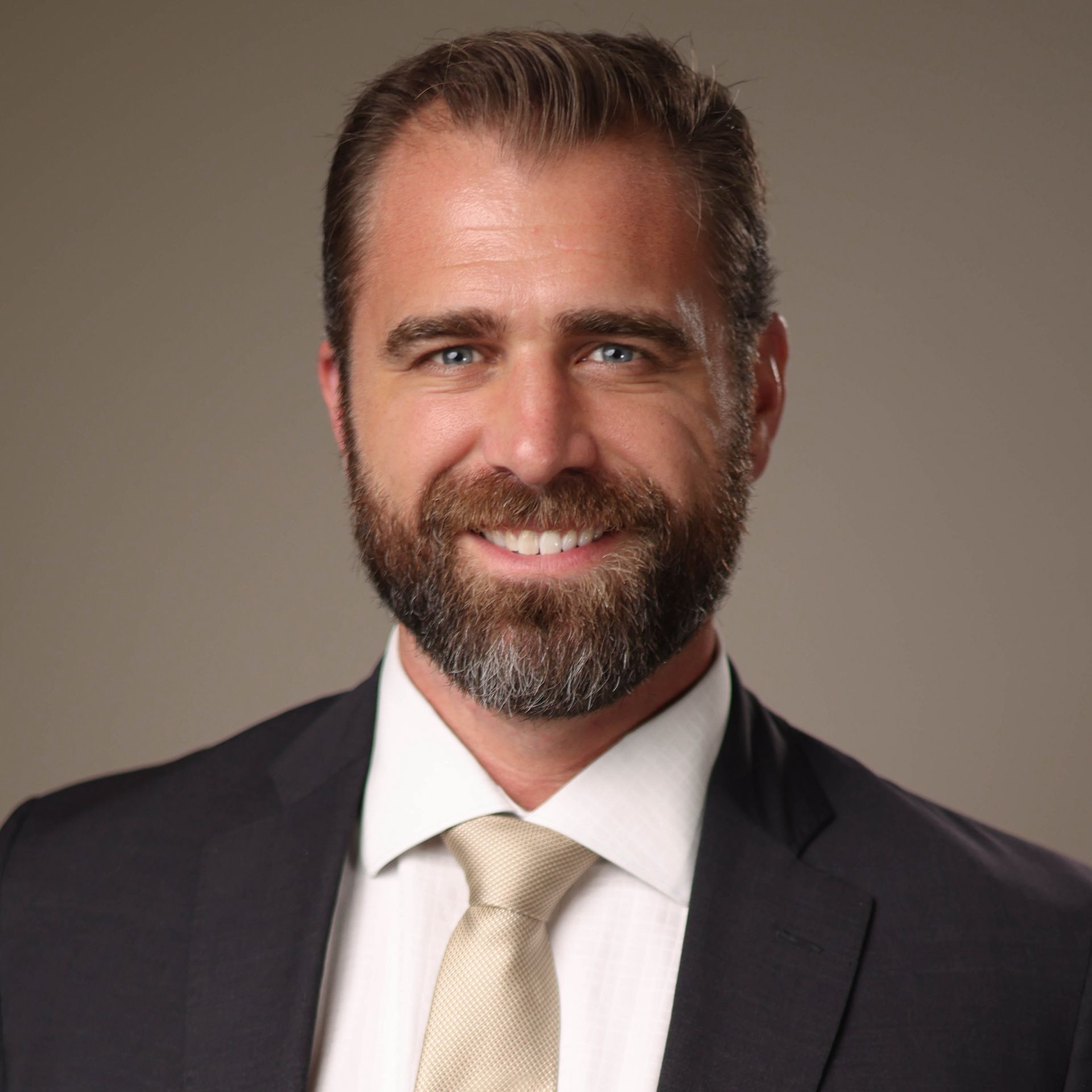
Dr. CHRIS SLININGER, DC, DCCJP
PRINCIPLE INVESIGATOR
Dr. Chris Slininger is a Diplomate in Chiropractic Craniocervical Junction Procedures and an upper cervical specialist whose entire clinical career has been built around one question: why do so many patients with mild traumatic brain injury never fully recover? Before entering clinical practice, Dr. Slininger served in the United States Army from 2004 to 2013, including overseas service during Operation Iraqi Freedom — an experience that gave him a firsthand understanding of the physical demands placed on servicemembers and the gaps in care that follow them home. That background, combined with his own personal recovery from brain injury through upper cervical care, is the foundation of sixteen years of foundational work that has led directly to this study.
As Executive Director of the Advanced Orthogonal Institute and Founder of Cerebral Chiropractic Center in St. Petersburg, Florida, Dr. Slininger has spent over a decade training physicians nationally in Advanced Orthogonal technique, building standardized imaging and correction protocols, and treating some of the most complex neurological cases in upper cervical practice. He has served on the Board of Directors of the ICA's Council on Upper Cervical Care and as Chair of its Strategic Planning Committee. He is the principal investigator and scientific lead of this study — responsible for all CCJ evaluations, cone beam CT analysis, Advanced Orthogonal interventions, and lead authorship on publication.
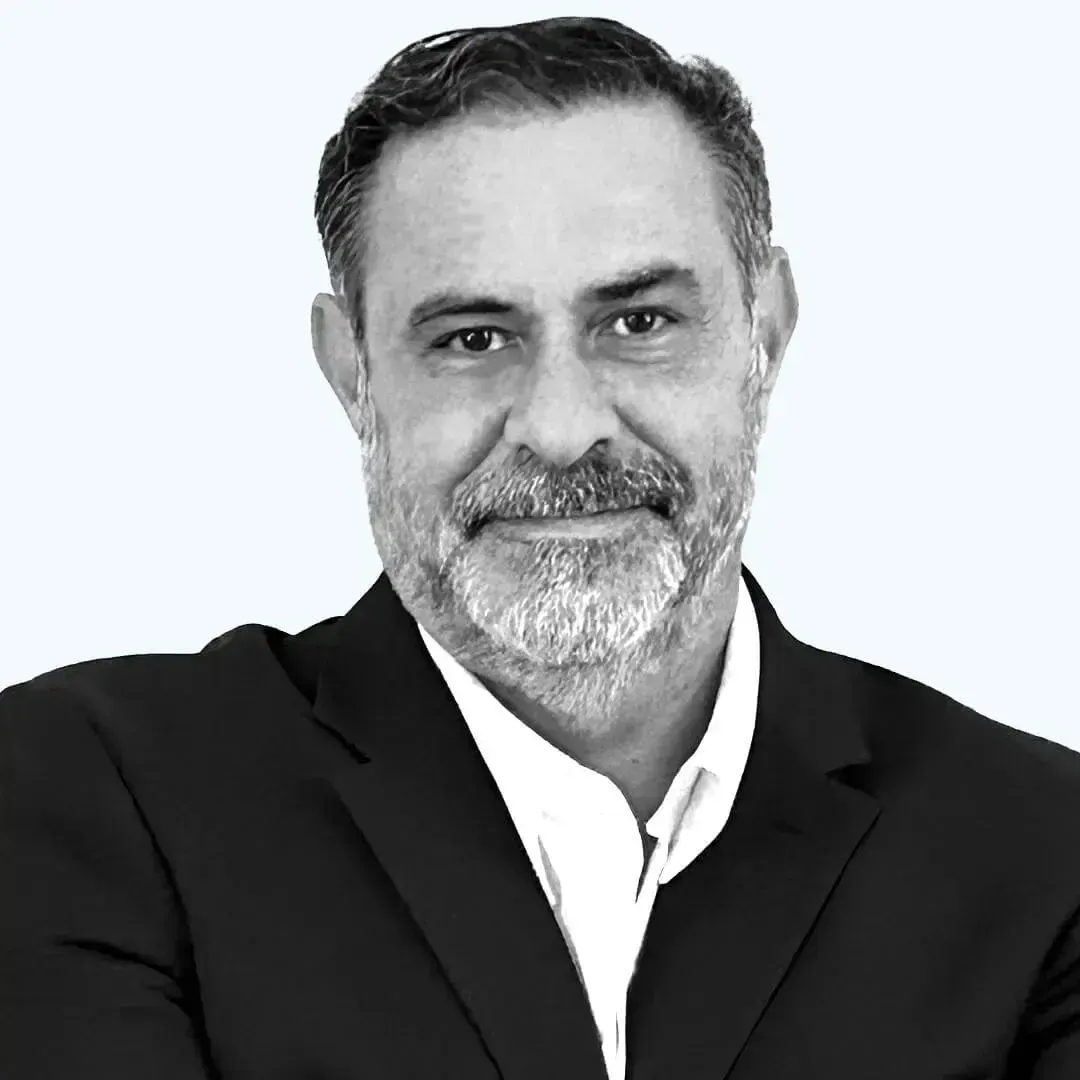
José E. Cabrera
Research Director
José Cabrera brings over twenty-five years of experience in clinical research, regulatory strategy, and quality systems to this study — and a background that uniquely bridges the worlds of military service and high-level medical research. A former U.S. Army infantry medic with the 101st Airborne Division, Mr. Cabrera understands the populations this study serves not as abstractions but as people whose care he has personally been part of. That grounding in real operational environments has shaped a career defined by disciplined protocol execution, documentation integrity, and the ability to translate complex scientific objectives into research architectures that hold up under the highest levels of regulatory scrutiny.
Over the course of his career, Mr. Cabrera has guided medical device and clinical research programs from early development through large-scale regulated implementation across neurology, cardiology, and orthopedics — including direct engagement with the FDA and oversight of global multi-site clinical operations. He holds a degree in cellular biology from the University of Dallas. In this study, Mr. Cabrera leads overall study design architecture, IRB submission, data collection systems, statistical analysis planning, and regulatory compliance — the infrastructure that will allow this research to produce findings that survive peer review and drive policy change.

Dr. Emily Kalambaheti, MS, DC, DACNB, FACFN, QEEG-DL
Co-INVESIGATOR
Dr. Emily Kalambaheti is a board-certified chiropractic neurologist, Fellow of the American College of Functional Neurology, and one of the most credentialed clinicians in the country at the intersection of brain-based rehabilitation and objective neurophysiologic assessment. She holds a Diplomate and Licensed Diplomate through the International QEEG Certification Board, and her clinical expertise spans quantitative electroencephalography, vestibulo-ocular assessment, cognitive evaluation, photobiomodulation, and hyperbaric oxygen therapy — precisely the tools at the center of this study's brain-focused intervention arm. As Chief Clinical Officer and Director of Rehabilitation at Genesis Brain Institute in Tampa, Florida, she leads comprehensive neurorehabilitation programs for patients with complex neurological conditions including persistent post-concussive syndrome.
Dr. Kalambaheti brings to this study not only her clinical depth but a track record of research contribution, including published work in Frontiers in Neurology on cognitive and processing speed improvements following neurological rehabilitation in post-concussive patients. She serves as a regular lecturer through the Carrick Institute, educating clinicians nationally on applied neuroscience and receptor-based rehabilitation. In this study, she leads all brain-focused diagnostic evaluations and serves as the clinical lead for the HBOT and photobiomodulation components across Arms 1 and 3.
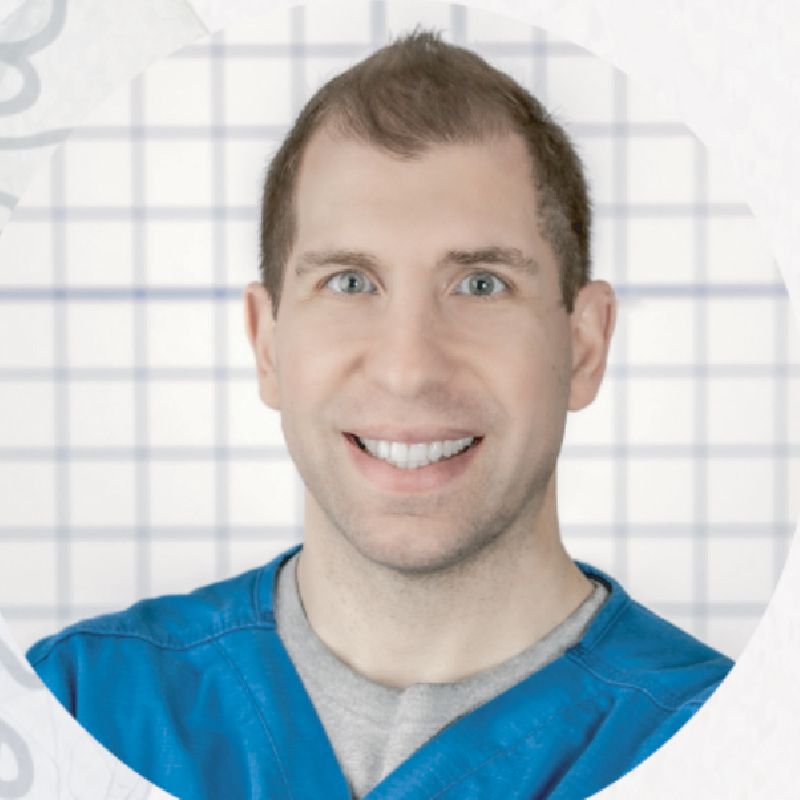
Dr. Chad Billiris, DC, BCAO, FABVR, DCCJP-c, FACFN-c
Co-INVESIGATOR
Dr. Chad Billiris is a board-certified Atlas Orthogonal chiropractor, Certified Orthospinologist, and nationally recognized educator whose clinical and academic work sits squarely at the intersection of upper cervical structural correction and neurological rehabilitation. A graduate of Life Chiropractic College West with honors, Dr. Billiris maintains a focused upper cervical practice in Cape May Court House, New Jersey, and contributes nationally as an instructor in Orthospinology postgraduate education — with particular emphasis on vestibular function, vestibulo-ocular rehabilitation, and the neurological consequences of upper cervical biomechanical dysfunction.
Dr. Billiris brings to this study a rare combination of hands-on structural correction expertise and the analytical rigor of someone who has spent years teaching these principles to other clinicians. His advanced candidacy designations in vestibular rehabilitation and functional neurology reflect a depth of neurologically informed clinical thinking that directly supports the CCJ side of this study's methodology. In this role, he leads CCJ-side data collection and quality assurance, supports data processing and analysis in close collaboration with Mr. Cabrera, and coordinates the research publication process.